
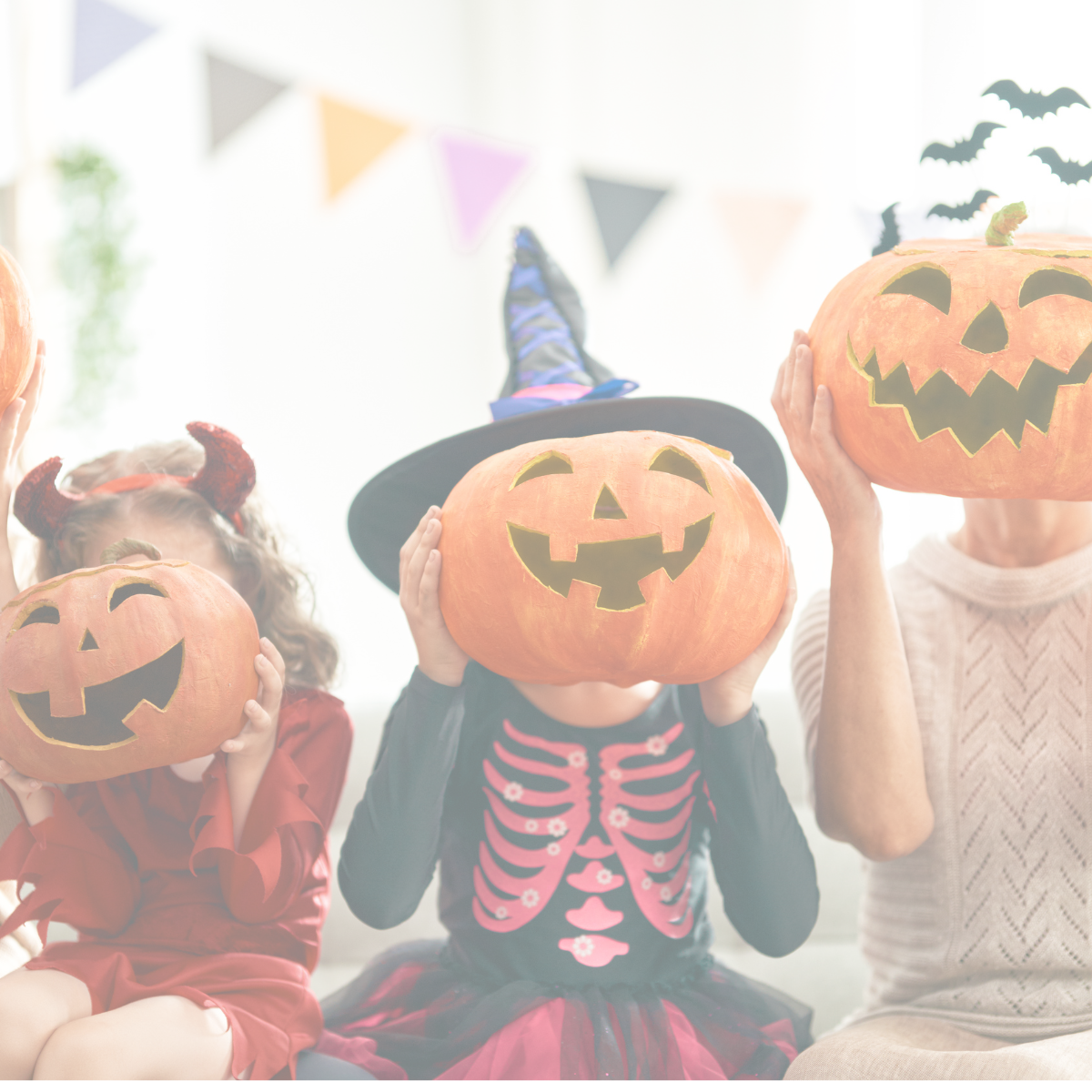
Halloween is a time for costumes, creativity, sweet treats and plenty of fun. For children, it can be one of the most exciting nights of the year. For parents, caregivers, and other trusted adults, it is also a chance to make sure children can enjoy the festivities in a safe, comfortable environment.
Whether your family is heading out for trick-or-treating, attending a community event or celebrating at home, a little preparation can go a long way. Here are 10 tips to help make Halloween safe and enjoyable for everyone.
- Choose a Safe Costume
When choosing a costume, make sure your child’s outfit fits properly and lets them walk, see and move comfortably. Avoid costumes that drag on the ground or have long pieces that could cause a child to trip.
If your child’s costume includes a mask, make sure it does not block their vision. Face paint can be a good alternative if it is designed for use on skin.
Reflective tape or bright colors can also help children remain visible when they are outside after dark.
- Make a Trick-or-Treating Plan
Before heading out, talk with your child about where you are going and who they will be with. Younger children should always be accompanied by a responsible adult.
Older children who are ready to trick-or-treat without an adult should go with a group of friends and have clear boundaries about where they can go and when they need to return home.
Make sure children know how to contact you and what to do if they become separated from their group.
- Stay Visible After Dark
Halloween activities often continue after sunset, which means visibility is especially important.
Carry a flashlight or glow stick and consider adding reflective tape or reflective accessories to costumes and bags. Remind children to stay on sidewalks when available and to cross streets at designated crossings.
Drivers should also slow down and stay especially alert in residential neighborhoods on Halloween night.
- Watch for Traffic
Excited children may forget to look for cars before crossing a street. Remind children to stop at the curb, look both ways and listen for approaching vehicles before crossing.
Whenever possible, use sidewalks and cross streets together as a family or group. Avoid walking between parked cars or crossing in areas where drivers may have difficulty seeing pedestrians.
- Check Treats Before Eating
Children are often eager to dig into their Halloween candy as soon as they get home. Encourage them to wait until a trusted adult has had a chance to look over their treats.
Check for packages that are open, damaged or appear unusual. If your child has food allergies, review labels carefully and make sure they know which treats are safe for them to eat.
The Teal Pumpkin Project can also help families create a more inclusive Halloween by offering non-food treats for children with food allergies or other dietary restrictions.
- Keep Pets in Mind
Halloween can be stressful for pets. Costumes, doorbells, unfamiliar visitors and excited children can even normally calm animals to become frightened or anxious.
Consider keeping pets in a quiet, secure area of the home during trick-or-treating. Remind children to ask before approaching someone else’s pet.
- Talk About Personal Safety
Halloween provides a natural opportunity to remind children about personal safety in an age-appropriate way.
Teach children that they should stay with their group, avoid entering someone’s home unless their trusted adult has given permission and never leave with someone they do not know.
Most importantly, make sure children know they can always come to you if something makes them feel uncomfortable, scared or confused.
- Consider Your Child’s Comfort Level
Not every child experiences Halloween in the same way. Loud noises, crowds, unfamiliar people or certain costumes and decorations can be overwhelming for some children.
This can be especially important to consider for children who have experienced trauma, changes in caregivers or other significant disruptions in their lives.
Give children permission to participate at their own pace. They may prefer a smaller gathering, a community event during daylight hours or celebrating at home. Halloween should be fun, not something a child feels pressured to endure.
- Create a Safe Space at Home
If you are welcoming trick-or-treaters, keep walkways clear and make sure outdoor decorations do not create tripping hazards.
Keep candles and open flames away from costumes, children and pets. Battery-powered lights can be a safer alternative for many decorations.
If your home is participating in trick-or-treating, make sure children and visitors can easily see where they are walking.
- Remember What Halloween Is Really About
For children, Halloween is about more than candy and costumes. It is an opportunity to play, use their imagination and connect with their community.
For adults, it is an opportunity to create positive memories and help children feel safe, included and supported.
A little planning can help make the holiday enjoyable for everyone.
Every Child Deserves to Feel Safe
At TFI, we believe every child deserves a safe, supportive environment where they can grow, learn and simply be a kid. This Halloween and throughout the year, we encourage parents, caregivers and community members to look for ways to help children feel safe and supported.
Sometimes the most meaningful thing we can give a child is the reassurance that there are caring adults who are looking out for them.
