
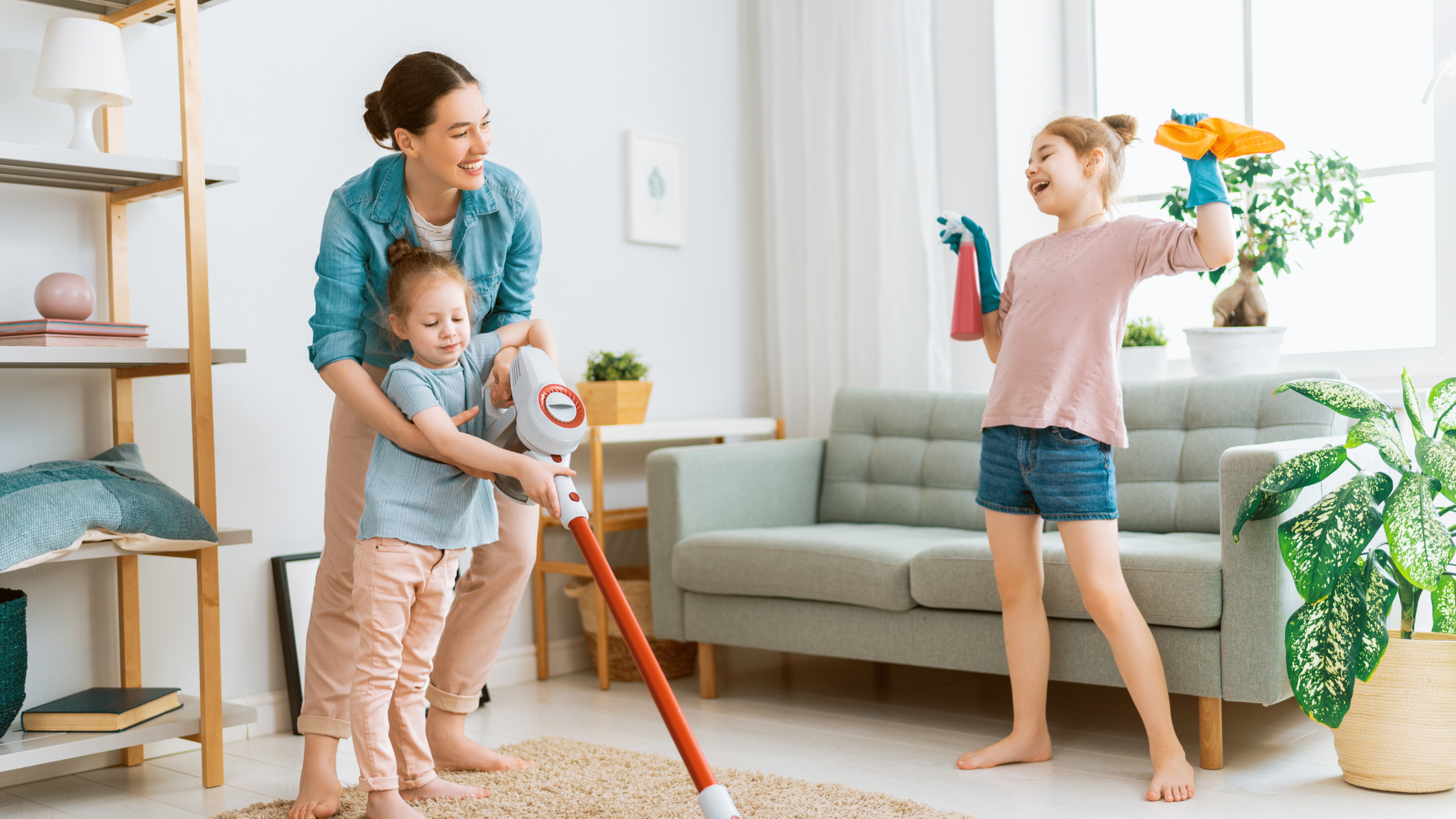
A Fresh Start that Still Feels Safe
Spring often brings the urge to clean, organize and start fresh. For many families, it is a season for clearing clutter, rotating clothes, deep cleaning and making the home feel lighter and more manageable.
For foster families, though, spring cleaning can carry a little more weight. Children in foster care may already be adjusting to a new environment, new routines and a new sense of what home feels like. Even well-intentioned changes can stir up uncertainty if a child worries their belongings are not important or their place in the home is temporary.
A fresh start can still feel safe. With a thoughtful approach, foster parents and caregivers can create a home that feels calm and cared for while also protecting a child’s sense of security, comfort and belonging.
Why home changes can feel bigger for children in foster care
For many children, a cleaned-up room or reorganized space is no big deal. But for children in foster care, changes at home may feel more emotional.
A child who has experienced loss, disruption or multiple transitions may be especially sensitive to anything that feels uncertain. Moving items, cleaning out spaces or sorting belongings may bring up questions they do not always say out loud:
- Do I get to keep this?
- Is this really my room?
- Am I staying here?
- Do I belong in this home?
That is why spring cleaning in a foster home is not just about organization. It is also about communication, reassurance and making sure children feel included rather than unsettled.
Start with the goal of comfort, not control
Spring cleaning does not have to mean making everything look perfect. For foster families, the better goal is often creating a space that feels peaceful, functional and safe.
That may mean clearing out clutter that makes daily life harder, creating better storage for toys and clothes or refreshing shared spaces so the home feels calmer. But it should not feel like a reset that erases a child’s routines, preferences or sense of place.
Before making changes, it can help to ask: Will this make the child feel more comfortable and supported, or could it accidentally make them feel less secure? That question can guide decisions in a way that keeps connection at the center.
Be careful with children’s belongings
One of the most important parts of spring cleaning is handling a child’s belongings with care.
Children in foster care may already have complicated feelings about personal items. Some may have arrived with very little. Others may be especially attached to objects that bring comfort, familiarity or memories. Even things that seem worn out or unimportant to an adult may feel deeply meaningful to a child.
When organizing or decluttering, avoid throwing away, donating or moving a child’s things without their knowledge. This includes clothing, artwork, stuffed animals, school papers and small keepsakes.
Instead:
- Let children know ahead of time if you plan to clean or organize their space
- Ask permission before moving or sorting personal items
- Involve them in age-appropriate decisions
- Create keep, store and donate piles together when possible
- Reassure them that their belongings matter
These small steps help children feel respected and help reinforce that this is their space too.
Make their place in the home feel permanent
Children need more than a bed and storage. They need signals that say, “You belong here.”
As you refresh your home this spring, look for ways to make a child’s space feel personal and settled. That might mean hanging up their artwork, displaying favorite books, giving them a say in bedding or decor, or making room for their photos and treasured items.
The message should not be that their room is temporary or just “available for now.” It should feel like a place prepared with care, where they are wanted and considered.
Keep routines steady during home refreshes
Even positive change can feel overwhelming when too much happens at once. If you are cleaning out closets, rearranging furniture or doing seasonal projects, try to keep the rest of the child’s routine as consistent as possible.
Regular mealtimes, bedtime rhythms and familiar expectations can help children stay grounded while the environment shifts around them.
It can also help to give children a heads-up before changes happen. Simple explanations like, “We’re cleaning the playroom today, but your things are staying with you,” or, “We’re making more space, not getting rid of the things you care about,” can ease anxiety before it builds.
For children who are especially sensitive to change, small steps are often better than one big overhaul.
Involve children in simple, safe ways
Spring cleaning can actually become a bonding opportunity when children are included in ways that feel manageable and supportive.
Depending on age, children might help:
- Choose what clothes still fit and what can be packed away
- Organize books, toys or art supplies
- Pick where special items should go
- Help decorate or refresh their room for spring
- Clean shared spaces together as a family activity
This kind of involvement gives children a sense of ownership. It also helps shift the experience from something happening to them into something they are part of.
For foster parents, that can be a meaningful way to build trust and reinforce belonging.
Watch for emotional reactions during the process
Some children may seem fine at first and then become withdrawn, irritable or emotional during cleaning and organizing. Others may resist unexpectedly or become very focused on keeping every item.
These reactions do not necessarily mean the process is going badly. They may simply be signs that the child is feeling vulnerable, unsure or reminded of past transitions.
If that happens, respond with patience. Pause when needed. Offer reassurance. Focus on connection over efficiency.
You might say:
- “You do not have to decide about that right now.”
- “Your things are important.”
- “We’re making space, not taking away your place here.”
- “You are safe, and this is still your home.”
That kind of language can help children feel seen and settled, even if the process brings up big feelings.
A fresh start can still feel safe
Spring cleaning can be a helpful reset for foster families, but the most important part is not how organized the house looks when you are done. It is how the home feels while you are doing it.
When children feel included, respected and reassured, even practical tasks like decluttering can become opportunities to build trust. A clean and refreshed space is valuable, but a child’s sense of safety, stability and belonging matters even more.
For families involved in foster care, adoption and kinship care, small everyday choices help shape what home means. And when home feels steady, children have more room to rest, grow and heal.
